• JAEL ONLINE SITE

    Agriculture courses offer comprehensive training in crop production, animal science, agribusiness, and sustainable farming, with programs ranging from certificates and diplomas to degrees (BSc, Masters, PhD). Popular options include sustainable agriculturegreenhouse technology, and agribusiness management. Institutions like the Kenya School of AgricultureBaraka Agriculture College, and various universities offer both practical short courses and academic, research-based

    10 Best Agriculture Courses for 2026 ...                     Enrol now for online courses in ...

Available courses

This unit specifies competencies required to carry-out bee production. It involves establishing
an apiary, managing bee facilities, tools and equipment; managing bee colony, managing bee
pests and diseases, harvesting bee products and marketing of bee products.
 
OBJECTIVES
 
1. Production of Hive Products
Beekeeping aims to harvest and sell multiple valuable commodities, allowing for livelihood diversification: 
  • Honey: The most popular harvest, used as a primary food source, sweetener, and natural medicine.
  • Beeswax: Highly sought after for manufacturing cosmetics, candles, and polishes.
  • Propolis: A resinous mixture used in pharmaceuticals and wellness products for its antimicrobial properties.
  • Royal Jelly and Pollen: Nutrient-dense substances harvested for specialized dietary supplements and the cosmetic industry.
  • Bee Venom: Utilized in apitherapy and medical treatments (e.g., for arthritis).
2. Agricultural Enhancement
Bees are crucial ecological workers. A major objective of keeping them is to improve the yields of surrounding agricultural crops and fruit orchards. Through pollination, bees directly increase the quality, size, and quantity of harvests for farmers. 
 
3. Environmental and Socio-Economic Goals
  • Biodiversity Conservation: Beekeepers rely on local vegetation, encouraging the planting of trees and the preservation of natural habitats to sustain their bee colonies. 
  • Livelihood Empowerment: Apiculture has very low start-up costs and requires minimal land, making it an ideal, sustainable enterprise for empowering women, youth, and rural communities

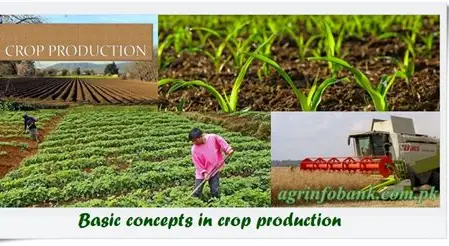
Crop Production

Course Summary

Crop Production is a practical and knowledge-based course designed to equip trainees with essential skills in sustainable crop farming. The course covers the principles and practices required for successful crop establishment, management, protection, and post-harvest handling. Emphasis is placed on improving productivity, environmental conservation, and adoption of modern agricultural technologies suitable for both small-scale and commercial farming systems.

The course combines theoretical understanding with practical application to prepare trainees for employment, agribusiness ventures, and improved farm management.


Core Topics

  1. Soil Management and Land Preparation

    • Soil types and properties

    • Soil fertility and nutrient management

    • Land preparation techniques

  2. Crop Establishment and Management

    • Seed selection and planting methods

    • Spacing and population management

    • Weeding and intercultural practices

  3. Crop Protection and Pest Management

    • Identification of pests and diseases

    • Integrated Pest Management (IPM)

    • Safe use of agrochemicals

  4. Harvesting, Post-Harvest Handling and Marketing

    • Harvesting methods

    • Storage techniques

    • Post-harvest loss reduction

    • Basic marketing principles


General Learning Objectives

By the end of this course, trainees will be able to:

  1. Apply appropriate soil and land preparation techniques for different crops.

  2. Establish and manage crops using recommended agronomic practices.

  3. Identify and manage crop pests and diseases using sustainable methods.

  4. Implement proper harvesting, storage, and basic marketing strategies to enhance profitability.


Trainee Interactive Activities

To enhance engagement and practical learning, the course will include:

  • Discussion Forums: Sharing local farming experiences and problem-solving ideas.

  • Practical Assignments: Soil sampling, crop calendar preparation, pest identification tasks.

  • Quizzes: Multiple-choice, short answer, and fill-in-the-blank assessments.

  • Case Studies: Analysis of real-life farming challenges.

  • Group Project: Development of a crop production plan for a selected crop.

  • Market Survey Activity: Research on local crop prices and marketing channels.